Comprehending the Relevance of Top Quality Repiping Providers for Lasting Pipes Solutions
Quality repiping solutions play a crucial function in keeping a home's pipes system. They attend to issues like leaks and corrosion while improving performance and resilience. House owners typically ignore the lasting benefits of professional repiping. By recognizing the indications that suggest a requirement for repiping, one can make educated decisions. Exploring the different elements of repiping can expose important insights that may affect future pipes investments. What variables should be taken into consideration when selecting repiping solutions?
Indicators You Need Repiping
Commonly, property owners might forget refined signs that their pipes system calls for repiping - Houston Repiping. Among the most common indicators is frequent leaks or water spots on ceilings and walls, suggesting aging pipes that may no more be trusted. In addition, if water pressure becomes irregular, it could suggest deterioration or obstructions within the plumbing system. House owners need to additionally look out to discoloration in faucet water, which may indicate corrosion or impurities from deteriorating pipes. Undesirable smells originating from the plumbing can even more recommend underlying concerns. An additional essential aspect is the age of the plumbing system; homes built over half a century ago usually utilize obsolete materials prone to failing. If several fixtures experience problems simultaneously, it is a strong sign that repiping may be necessary. Acknowledging these indicators can aid homeowners address plumbing issues before they intensify right into more significant issues
Benefits of Expert Repiping Solutions
Attending to the signs that suggest a need for repiping can lead home owners to ponder the advantages of expert repiping solutions. One substantial advantage is the assurance of top notch workmanship. Specialists have the expertise to identify underlying pipes concerns, making sure a detailed service rather than a short-term solution. Furthermore, expert services commonly include service warranties, providing home owners assurance concerning future repair services.
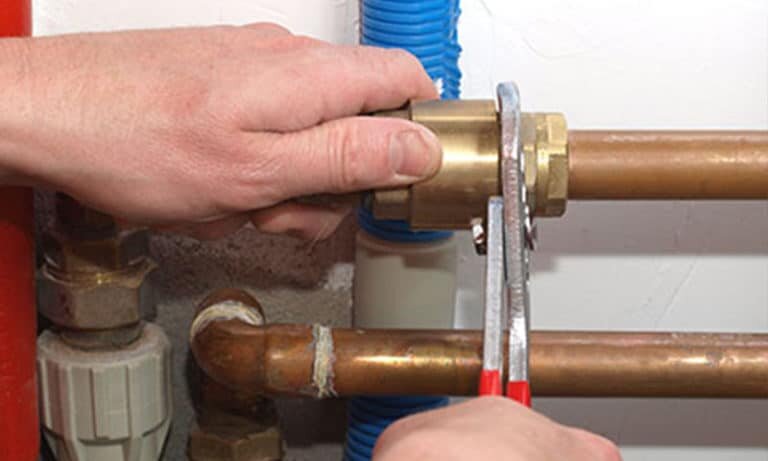
Inevitably, purchasing professional repiping solutions can enhance a home's pipes system, leading to better water top quality and a reduction in future pipes concerns. Repipe Pros.
Picking the Right Materials for Repiping
When selecting materials for repiping, home owners often weigh the benefits of copper versus PEX. Cost factors to consider play a substantial role in the decision-making procedure, in addition to aspects connected to longevity and resilience. Understanding these components can help guarantee a lasting and successful repiping project.
Copper vs. PEX Comparison
Selecting the appropriate products for repiping is crucial, as it can significantly influence the longevity and effectiveness of a plumbing system. When contrasting copper and PEX, both materials offer special benefits. Copper pipes are known for their resilience, resistance to rust, and capability to endure heats. They also have a long life expectancy, commonly exceeding half a century. Copper can be more pricey and calls for soldering for installation, which might enhance labor costs.
On the various other hand, PEX (cross-linked polyethylene) is light-weight, flexible, and simpler to install, usually resulting in lower labor expenses. PEX is resistant to range and chlorine, and it does not rust. Ultimately, the choice between copper and PEX depends on certain plumbing needs and choices for durability and installment methods.
Price Factors to consider
Price factors to consider play an important duty in the decision-making process for repiping jobs. Home owners have to examine numerous material choices, as each features distinct price points and installment expenses. Copper, understood for its durability, commonly sustains higher costs due to material and labor needs. Alternatively, PEX supplies an affordable choice with much easier setup, often decreasing labor costs. It's vital for home owners to analyze not just the initial financial investment but also prospective long-term savings in maintenance and repair services. Additionally, neighborhood building regulations and laws might influence material options, influencing overall budget plan. As an outcome, a comprehensive contrast of material expenses, installation intricacies, and future effects is vital for selecting the most appropriate choice for repiping needs.
Durability and Toughness Elements
Selecting the ideal materials for repiping is vital, as the durability and longevity of the pipes system directly affect the overall performance and maintenance costs. Usual materials include copper, PEX, and CPVC, each offering distinctive advantages. Copper is renowned for its long life and resistance to rust, while PEX is versatile, immune to cold, and less prone to leaks, making it ideal for various installations. CPVC, on the other hand, is economical and resistant to chemicals however might not endure high temperatures as well as copper. Eventually, the choice of material should consider aspects such as water quality, regional climate, and details plumbing needs. An educated choice can substantially improve the life-span of the pipes system, causing less repair work and lower long-lasting expenditures.
The Repiping Process Explained
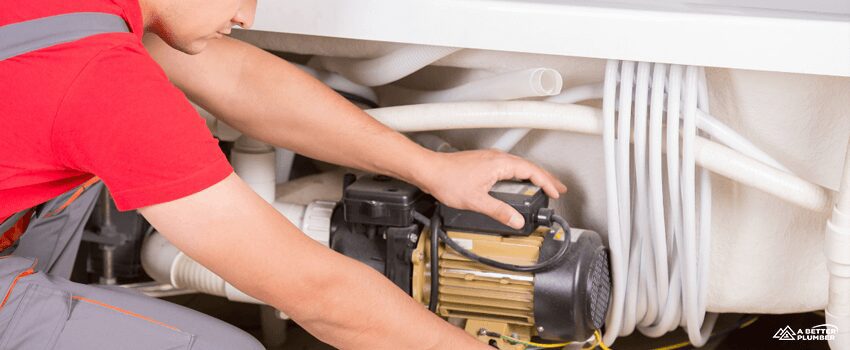
When a home owner decides to repipe their residential or commercial property, understanding the process can assist minimize issues and assure a smoother experience. The repiping process typically starts with a thorough inspection, allowing experts to examine the existing pipes system's problem and recognize areas calling for interest. Following this assessment, the group talks about the very best techniques and materials suited for the home.
Expense Considerations for Repiping
It is essential to examine the preliminary investment needed for the project when thinking about repiping. Property owners should additionally evaluate the possible long-term savings that can develop from reduced water costs and less upkeep expenses. Understanding these financial elements can assist in making a notified choice regarding whether to proceed with repiping.
First Investment Evaluation
Repiping a home can represent a substantial financial commitment, requiring mindful assessment of linked costs. Homeowners need to consider numerous variables that add to the overall expenditure of repiping, including material options, labor prices, and the complexity of the pipes system. Typical products such as copper, PEX, and PVC each included different rate factors and installation challenges. Furthermore, labor expenses can differ based on the service provider's proficiency and regional market prices. It is additionally important to make up any kind of required licenses or inspections, which can contribute to the preliminary financial investment. By completely analyzing these expense parts, home owners can make enlightened decisions and much better get ready for the monetary implications of repiping their property.
Long-lasting Financial Savings Potential
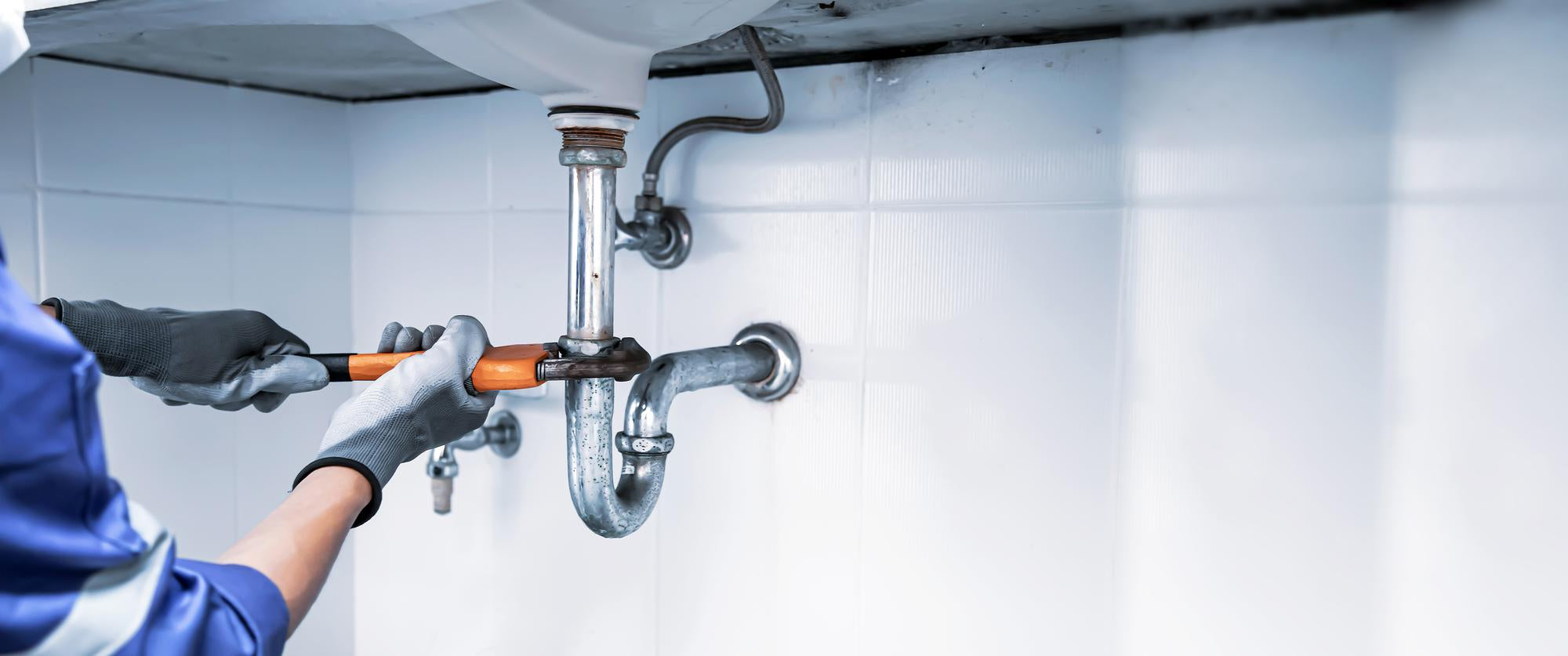
The upfront prices of repiping can be significant, the long-lasting cost savings potential frequently makes it a rewarding financial investment for property owners. By replacing outdated pipes, property owners can greatly decrease the danger of leaks and water damages, which can bring about pricey repair work. New piping materials are typically a lot more long lasting and immune to corrosion, reducing upkeep expenses in time. Additionally, contemporary plumbing systems improve water flow performance, possibly decreasing water expenses. Power effectiveness might additionally improve, causing lowered home heating expenses for warm water. Ultimately, while the first cost may be high, the durability and dependability of quality repiping services can lead to financial cost savings and comfort for property owners in the future.
Maintaining Your New Plumbing System
To guarantee the durability and efficiency of a freshly installed pipes system, regular upkeep is vital. Homeowners should set up regular inspections to identify potential problems before they intensify. This consists of checking for leaks, deterioration, and obstructions, which can compromise the system's stability.
Furthermore, flushing the system regularly helps remove debris build-up, advertising optimal water circulation. It is also recommended to keep an eye on water stress, as too much stress can stress installations and pipelines, bring about early failure.
Utilizing high-quality components and parts can boost durability, yet they call for focus also. House owners must be watchful concerning signs of wear, such as unusual sounds or water discoloration.
Ultimately, engaging expert pipes solutions for upkeep jobs ensures that any necessary repairs are carried out with competence, ultimately securing the financial Source investment in a new pipes system and advertising its efficiency throughout the years.
Often Asked Inquiries
For how long Does a Typical Repiping Job Require To Full?
A typical repiping project generally takes between one to 5 days to finish, relying on the size of the building, complexity of the plumbing system, and the details materials used throughout the repiping process.
Will Repiping Affect My Water Pressure?
Repiping can enhance water pressure by replacing old, rusty pipes that restrict circulation. Repipe Specialists. However, in many cases, otherwise appropriately sized or set up, it might temporarily lower water pressure until adjustments are made
Can I Remain in My Home Throughout Repiping?
Generally, property owners can stay in their residences throughout repiping, though disruptions may take place. It is a good idea to prepare for momentary water outages and limitation accessibility to specific areas to assure security and effectiveness during the procedure.
Exist Guarantees for Repiping Solutions?
Yes, numerous repiping services supply service warranties that cover workmanship and products. The specifics, including period and protection information, can differ by company, so it is advisable to inquire straight for comprehensive details prior to proceeding.
Exactly how Frequently Should I Take Into Consideration Repiping My Home?
Homeowners should consider repiping every 20 to half a century, depending upon pipeline product, water, and problem high quality. Routine inspections can help determine problems, prompting repiping faster if leaks, deterioration, or other substantial issues emerge.
Quality repiping services play an important role in preserving a home's plumbing system. Exploring the various elements of repiping can disclose important understandings that may impact future pipes investments. Selecting the right products for repiping is vital, as it can substantially affect the durability and performance of a plumbing system. Picking the right products for click this link repiping is essential, as the longevity and resilience of the plumbing system directly affect the total effectiveness and maintenance costs. Homeowners should take into consideration different elements that add to the overall expenditure of repiping, consisting of product options, labor costs, and the complexity of the pipes system.